XR Streaming Trial Achieves 90% Latency Reduction on 5G Advanced Network

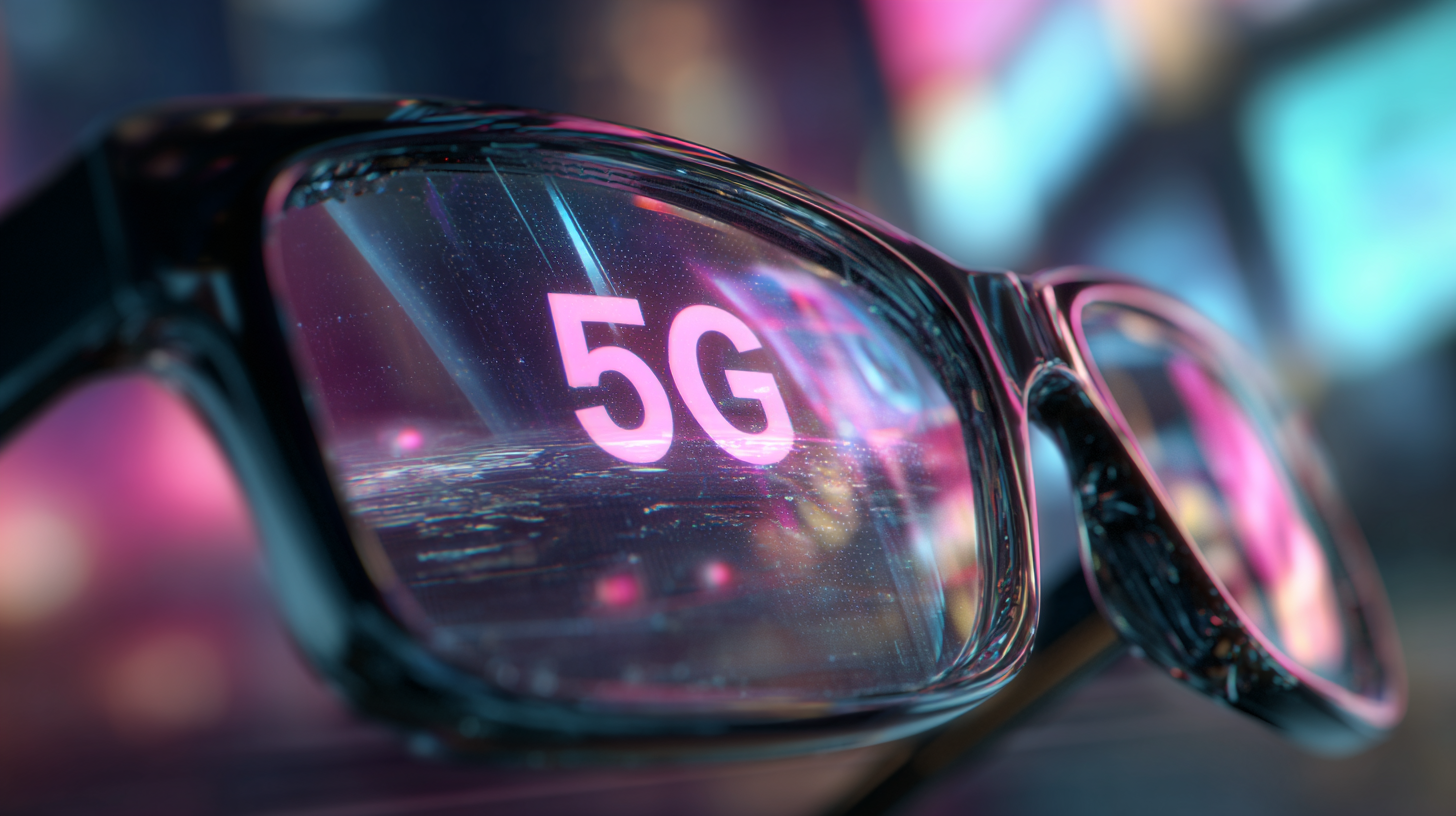
- SoftBank, Ericsson, and Qualcomm tested XR content streaming on a commercial 5G SA network using smartglasses and smartphones.
- The field trial reduced wireless latency by approximately 90% through the use of 5G Advanced features, including L4S and network slicing.
SoftBank Corp., Ericsson, and Qualcomm Technologies have teamed up in Tokyo to test how 5G and 5G Advanced features perform on a live commercial network. To demonstrate the system’s low-latency capabilities, the companies streamed XR content through smartglasses connected to a smartphone over Wi-Fi.
To support the XR streaming test, the companies used several advanced network technologies to reduce delays and improve stability. These included L4S, which helps manage congestion before it affects performance; Configured Uplink Grant, which speeds up how devices send data; and Rate-Controlled Scheduling, which adjusts network resources to keep video and interactions smooth. Network slicing was also used to create a dedicated slice for the trial devices, ensuring consistent communication quality throughout. Ericsson provided the network features and handled pre-test verification and site configuration, while Qualcomm supplied the smartglasses based on the Snapdragon AR2 Gen 1 platform, a smartphone powered by the Snapdragon 8 Elite Mobile Platform, and the XR application used in the trial.
"This field trial is an important initiative that demonstrates ultra-low-latency, high-reliability communication required for next‑generation XR experiences. XR has the potential to transform how work is done across many fields — industry, social infrastructure, entertainment, and more. Ericsson will continue to contribute to creating new digital experiences and addressing social challenges through the evolution of our customer’s networks," said Jawad Mansour, President and Representative Director, Ericsson Japan, in an official news release.
The trial resulted in roughly a 90% reduction in wireless latency compared to setups that didn’t use the 5G Advanced technologies. XR was chosen as the test case because even small delays can disrupt the experience. Throughout the trial, the system maintained stable, low-latency performance, essential for delivering fluid, real-time XR interactions. SoftBank plans to build on this trial as it moves toward commercial deployment of 5G Advanced features, including use cases at large-scale events.
🌀 Tom’s Take:
By combining 5G Advanced tools like L4S and network slicing, SoftBank and partners showed that commercial networks can now deliver the low-latency performance immersive experiences demand.
Source: Ericsson