RP1 Opens Spatial Web Platform to Developers

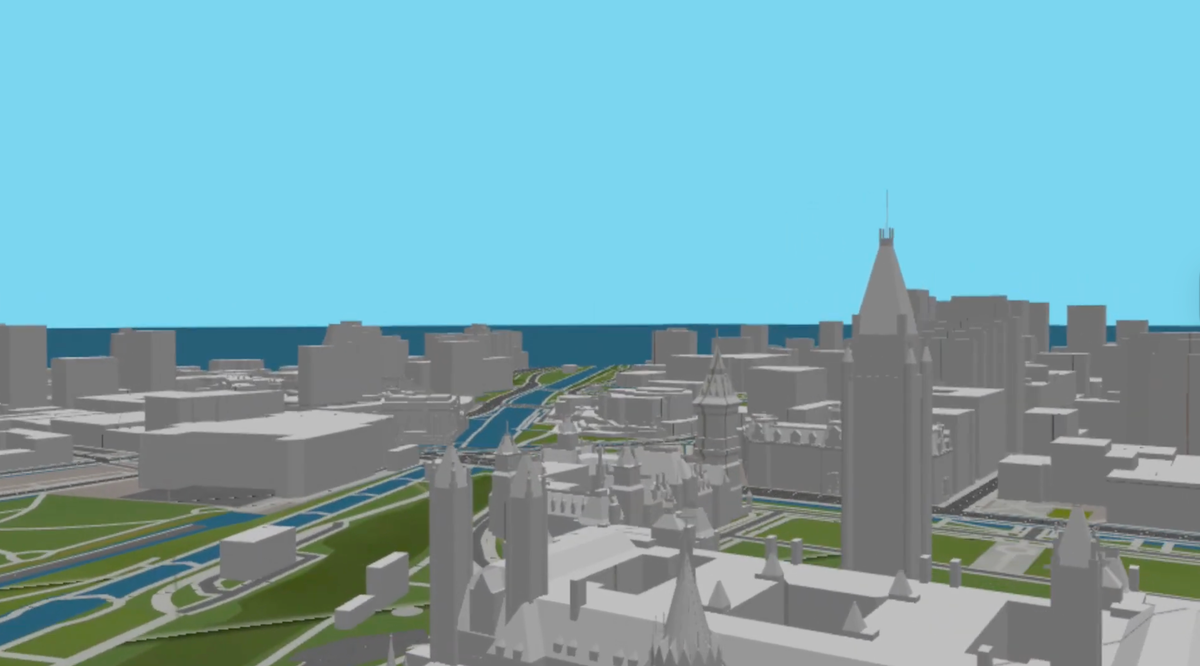
- Developers can now build and host their own 3D environments that link into RP1’s real-time, shared spatial network.
- RP1 says its backend can scale to support Earth’s population in proximity-based virtual experiences across devices.
RP1 is opening its spatial computing platform to developers on December 8. Developers will be able to build real-time 3D experiences for the web, run them on their own servers, and connect them to a shared spatial network. All content is self-hosted, with developers managing their own environments and data.
At the core is a new kind of browser designed for proximity-based, real-time interaction across AR, VR, mobile, and desktop. A shared coordinate system, RP1 calls the Universal Spatial Fabric, links independently hosted environments based on spatial relationships in real time. Developers manage their own infrastructure using self-hosted spatial servers and can deliver live services, such as AI, multiplayer logic, payments, or IoT, through a unified API. Underneath it all is a backend system designed to support an unsharded, global ecosystem with full spatial audio, six degrees of freedom, and significantly reduced compute and energy demands, at a scale RP1 says can accommodate Earth’s population.
“The reason mobile phones have become so ubiquitous is because they are portable web browsing devices. Apps are only acceptable on phones because the web isn’t proximity based,” said Dean Abramson, Co-Founder and Chief Architect, in a press release. “A metaverse browser that revolves entirely around proximity requires an entirely different architecture that delivers apps and services on demand without the need to preinstall them — potentially hundreds of them all running simultaneously and sharing the same space.”
This gives developers a foundation to build more than just environments, they can create multiplayer spaces, AI-powered services, or tools that plug into other self-hosted projects across the network.
🌀 Tom’s Take:
Most XR platforms make you build inside someone else's system. RP1 flips that, letting developers run their own servers, link into a shared network, and actually own what they build.
Source: Business Wire / RP1