Qualcomm and Partners Set the Foundation for AI-Native 6G Networks

- Qualcomm and a broad group of partners outlined a plan to deliver commercial 6G systems beginning in 2029, with early demonstrations scheduled for 2028.
- The initiative defines 6G as an AI-integrated network combining connectivity, sensing, and compute across devices, infrastructure, and cloud systems.
Qualcomm announced a new collaboration with industry partners at MWC Barcelona 2026 focused on advancing 6G toward commercialization. The group outlined a milestone-driven plan that includes early system validation, pre-commercial demonstrations in 2028, and initial rollout of commercial systems from 2029.
The 6G design is described as AI-native and built on three areas: connectivity, wide-area sensing, and high-performance compute. Planned capabilities include intelligent radios with sensing functions, virtualized and cloud-based network infrastructure, and systems that use AI for network operations. The architecture also includes both edge and centralized data centers.
“As 6G enhances connectivity, sensing, and computing power, it will enable real-time spatial intelligence at scale. We look forward to working across the industry to help make computing more human,” said Evan Spiegel, co-founder and CEO of Snap Inc. in a press release.
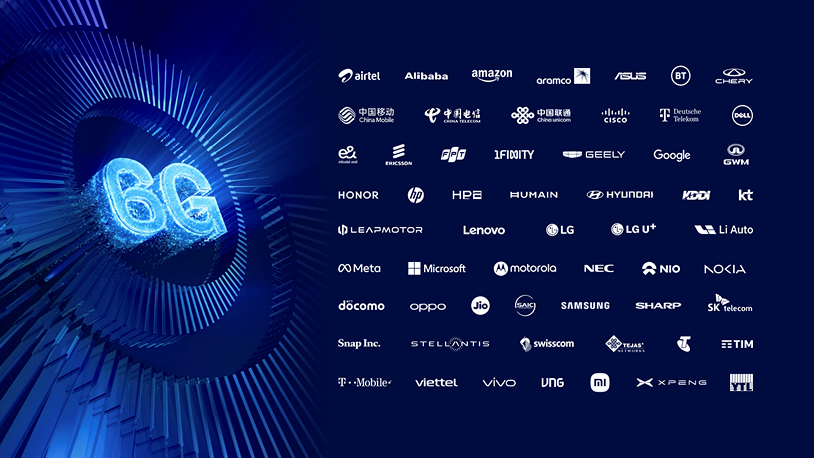
The collaboration covers devices, networks, and cloud infrastructure, with participating companies working on standards, validation, and benchmarks for readiness. The group is also focused on developing pre-commercial devices and interoperable systems as part of the path to global deployment.
🌀 Tom’s Take:
6G matters for spatial computing because it combines connectivity, sensing, and compute into a single system, allowing devices to understand and respond to the physical world in real time. The sensing layer is key as it turns the network itself into a source of environmental awareness, not just a pipe for data.
Source: Qualcomm