Inside Ines Alpha’s World of 3D Makeup and Cyborg Beauty

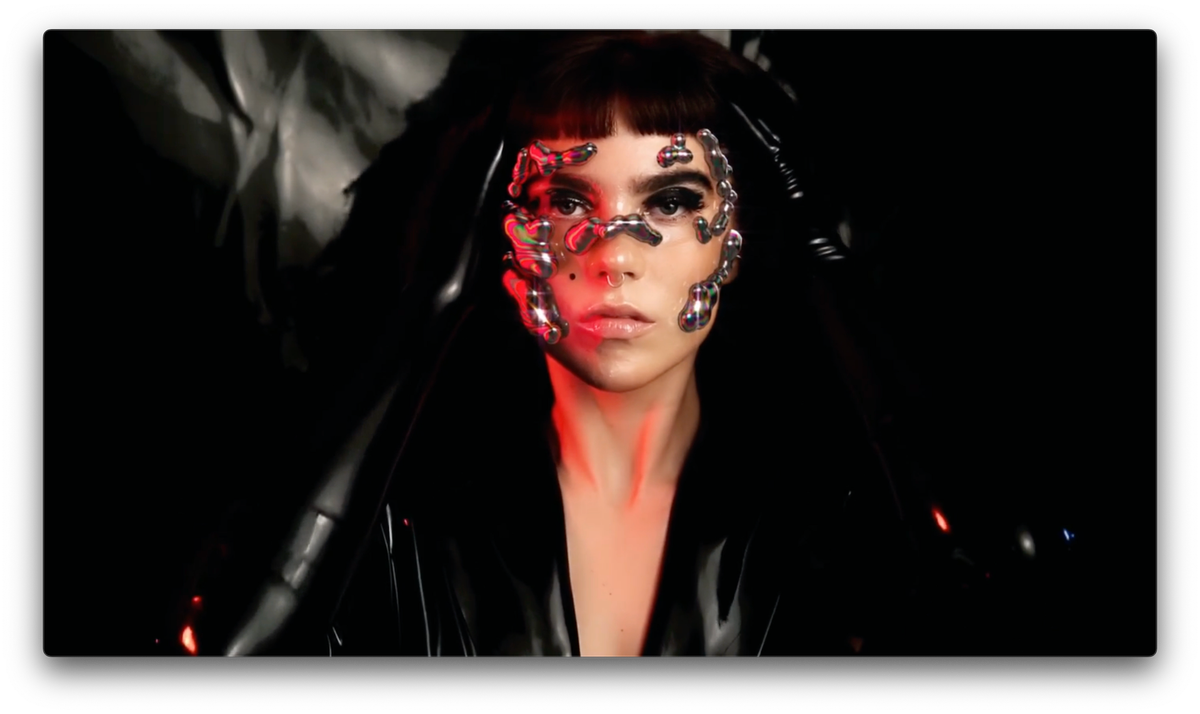
A model stares at the camera as an impossible liquid metal accessory drips and rolls across her forehead, framing her eyes with vibrating chrome dots. She is transformed by techno-organic “3D makeup” that decorates her face using 3D printed artifacts, computer-generated imagery (CGI), and augmented reality (AR) animations.
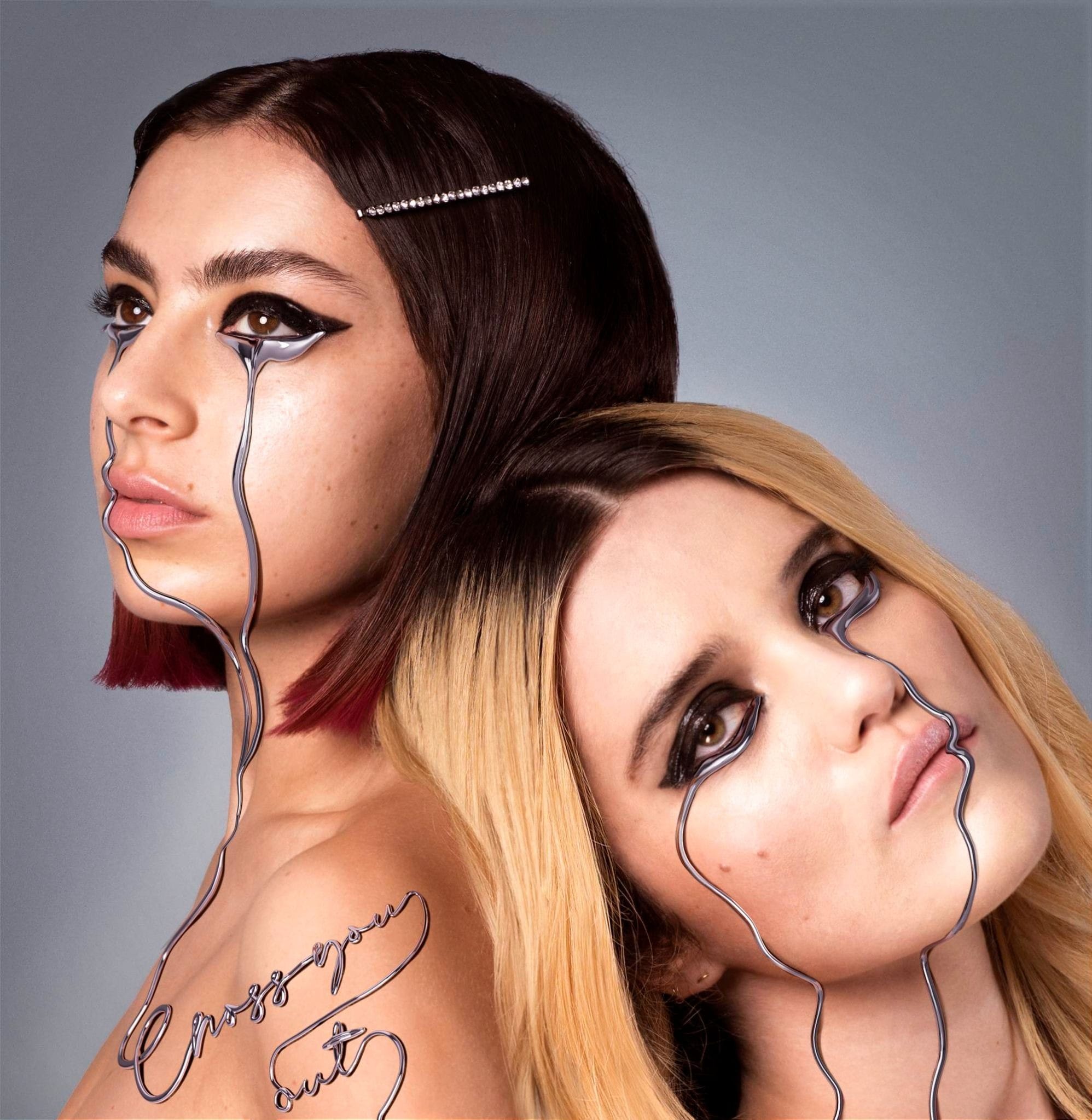
Across global gallery shows and collaborations with A-list stars (Charli XCX) and historic brands (Prada, Pucci, Burberry), Ines Alpha’s 3D makeup acts like a hyper-pop symbiote, absorbing layers of adornment, identity, and myth, and unifying them in uneasy layers of liquid gloss.
“I really wanted to make something that is the combination of everything that I love: cyborg aesthetics, something futuristic, something organic, something slightly disgusting like a nudibranch, jellyfish, and other sea creatures.”
Source: Awesome Future
Alpha began her AR practice after gaining acclaim for her high-fashion CGI works and wanting to make more wearable, more real-time, and more interactive versions of those static constructions. “How can I call my work makeup if no one can try it on?” she complained. AR makes Alpha’s work more portable, more accessible.
Ines explains how her experience designing next-generation interfaces and interactions brought her to an iconic partnership with Prada, where she worked directly with the brand’s archive and designers to co-create pixel-to-pigment color palettes, digital fabrics, and AR filters.
Q: Introduce yourself and your work as a spatial creator.
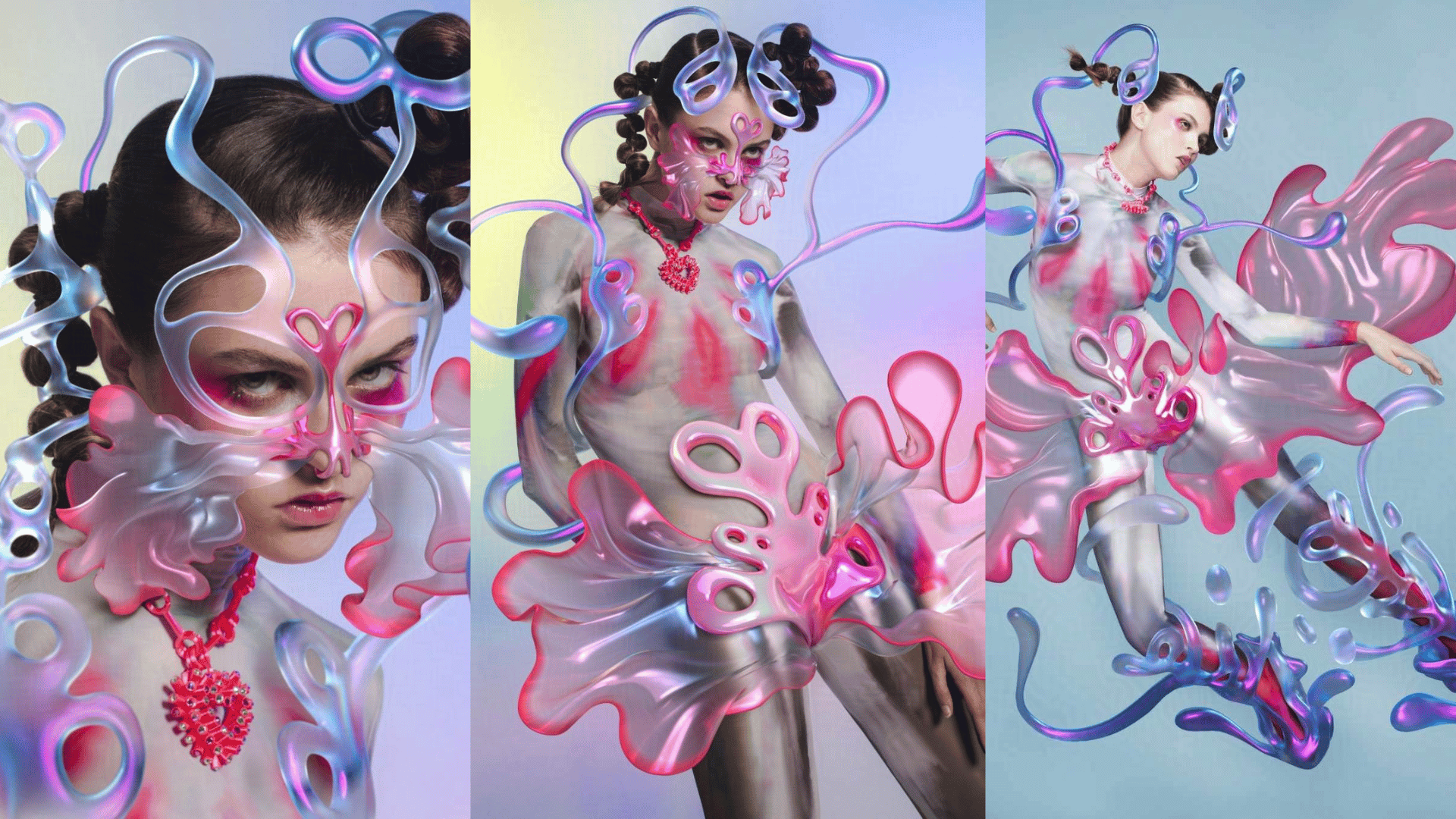
I'm a Paris-based digital artist specializing in creations mostly around digital makeup and beauty - AR filters, 3D makeup CGI videos - I’ve always enjoyed blending the physical and virtual worlds. My style is otherworldly and iridescent; think soft, glowing forms inspired by sea creatures, sci-fi, and futuristic aesthetics, with floating veils, holographic textures, and hybrid nature-machine elements that defy gravity.
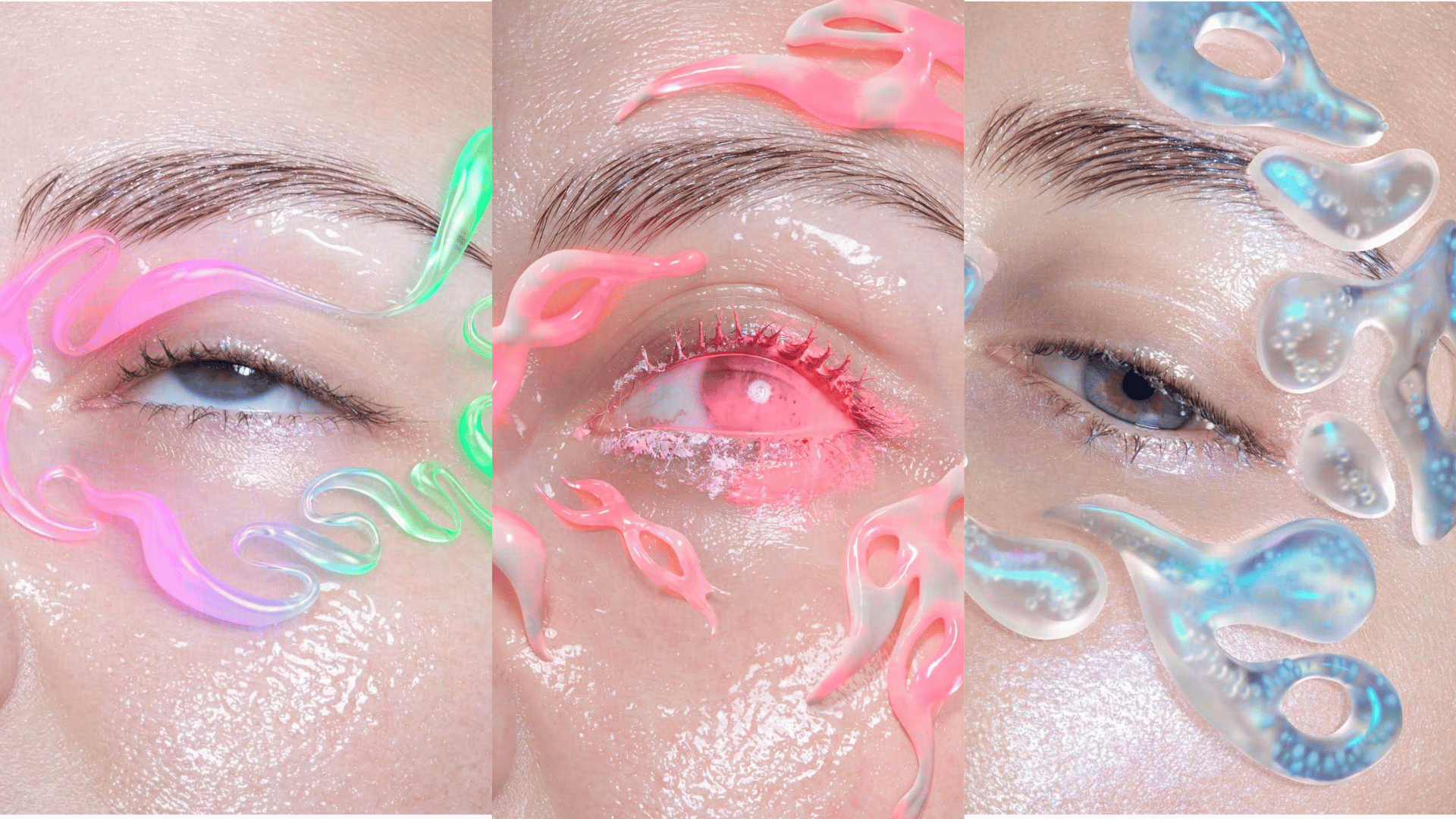
Examples include my signature 3D makeup, like the "Holoctopus" series, where tentacles emerge from the face in real-time, or more recently, "I'd Rather Be a Cyborg" from the Virtual Beauty exhibition at Somerset House, featuring a dreamlike lab capsule where hybrid organisms grow from skin. These appear as Snapchat/Instagram AR filters, CGI videos, physical sculptures, and exhibitions.
I've collaborated with Prada Beauty (consulting on digital-to-physical textures and AR makeup looks), Dior makeup, Burberry for GQ Korea, Selfridges, Nike, Bimba y Lola, and artists like Charli XCX and Hunter Schafer for Allure magazine, and our French pop star goddess Yelle.
Q: What is your most Iconic spatial creation, and how does it embody your work?
My most iconic is probably "Future Gloss," my first AR filter from 2019; iridescent, glossy 3D makeup that looks like “a robot's MET Gala look”, as Lil Miquela once said. It embodies my work by merging everyday faces with fantastical, empowering transformations: soft glows, impossible textures, and surreal self-expression.
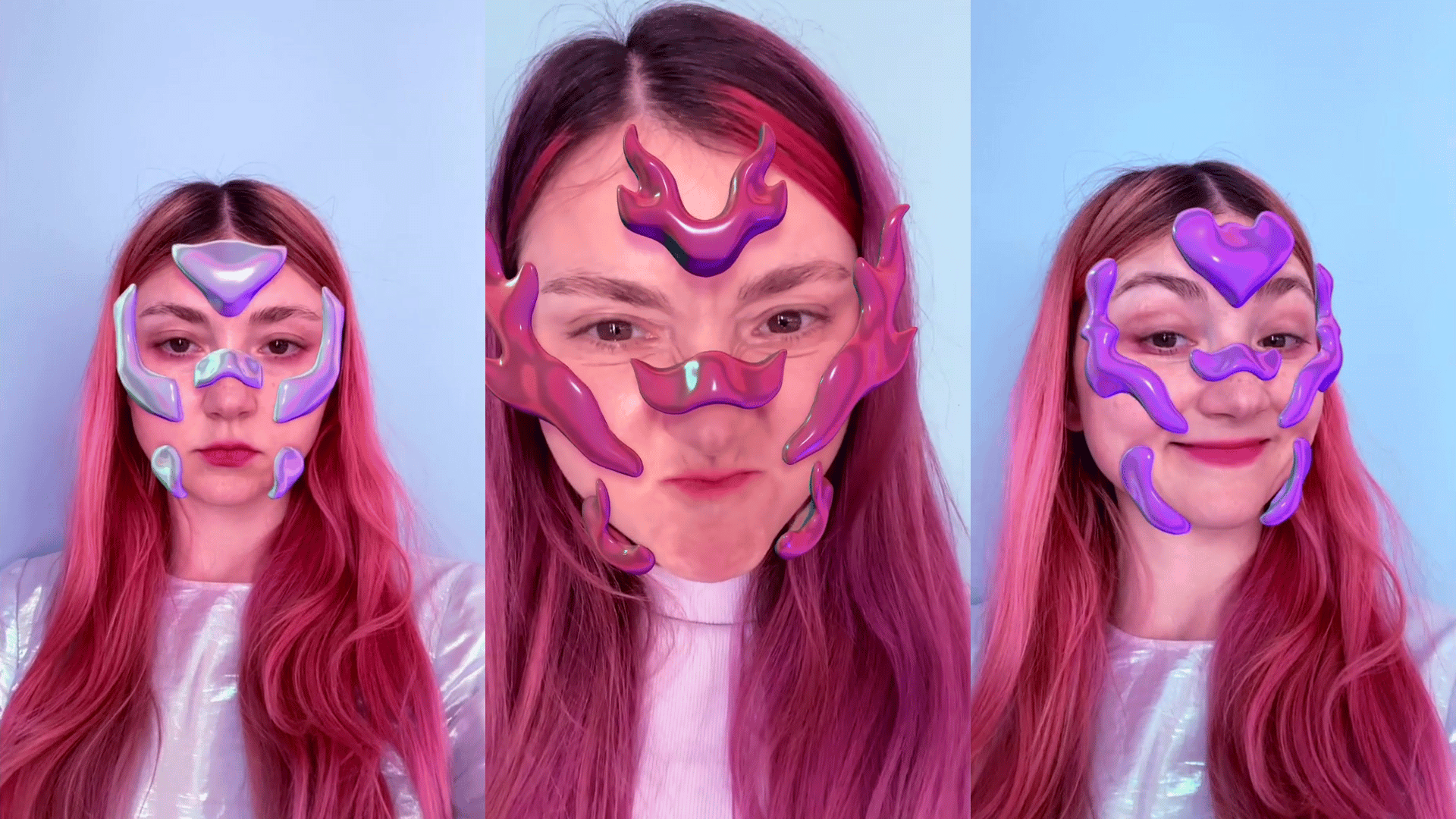
I’m also thinking about a project called HyperEmotionalSkin, which is a 3D makeup that shapeshifts based on your emotions! I’ve worked with a developer for this one as it uses machine learning.
They both went pretty viral on Snapchat (RIP Instagram)! I like the idea of how ‘spatial tech’ can democratize weird, joyful beauty; anyone with a phone becomes a cyborg mermaid.
My process most of the time is: Modeling in Cinema 4D or Blender, optimizing for real-time AR in Spark AR/Lens Studio, or animating and compositing in After Effects or DaVinci.
Q: Can you talk about a brand collaboration and how you've helped other companies to understand 3D art and fashion?
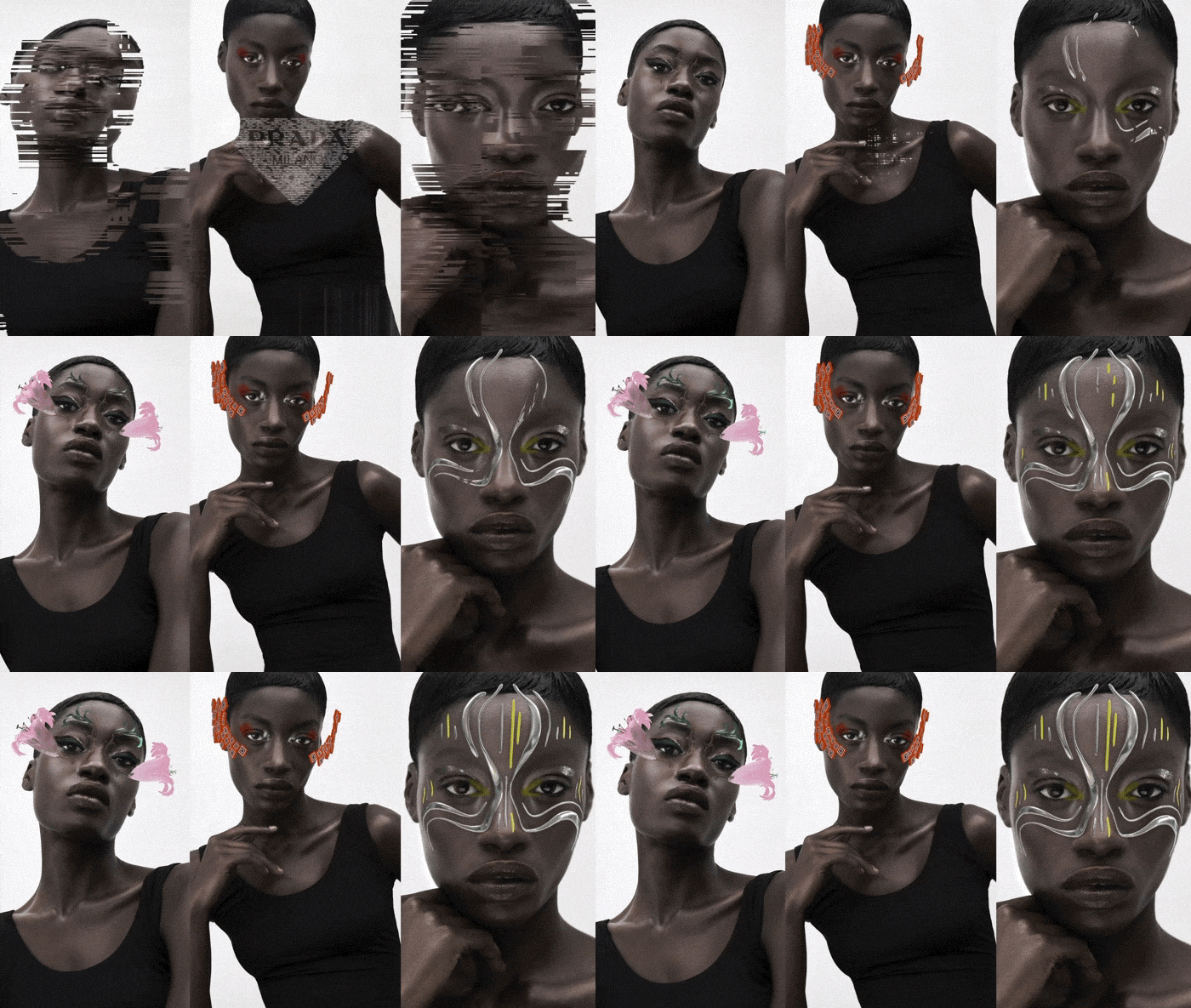
My Prada Beauty collaboration stands out. They brought me in not just for AR/3D makeup but to consult on translating digital textures into physical products. I showed them how to bring pixels into pigments and vice versa, using my 3D software to prototype "phygital" looks.
Source: Ines Alpha / Prada Beauty
It helped them grasp 3D as more than filters; it's immersive storytelling that evolves makeup/fashion into mixed reality. We created AR experiences where users "wore" hybrid digital-physical makeup, proving AR art can redefine luxury beauty as accessible, transformative play.
Q: What do brands that want to work in immersive media need to know about the space?
It’s all about interaction and emotion. Challenging people’s perspectives when they’re directly confronted with the product, design, or art piece.
Make them the subject of the campaign, not just a third-person viewer; they become part of the story. Also, inclusivity: anyone can join in, beyond traditional norms.
Q: Can you talk about the success or results of the projects you've worked on?
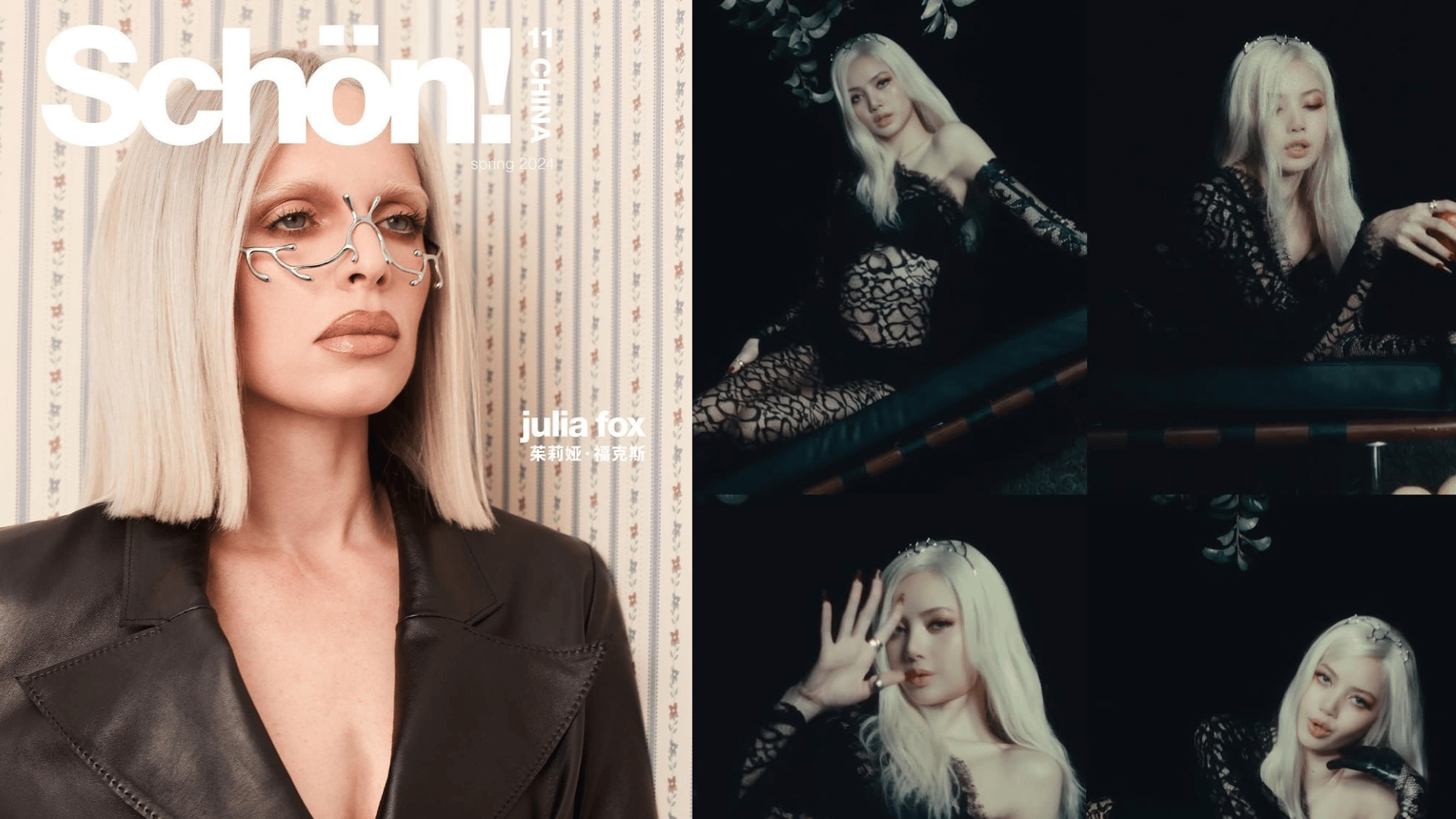
The studio Halia launch was amazing, the piece was worn by Julia Fox and Lisa from Blackpink, which I’m pretty proud of!
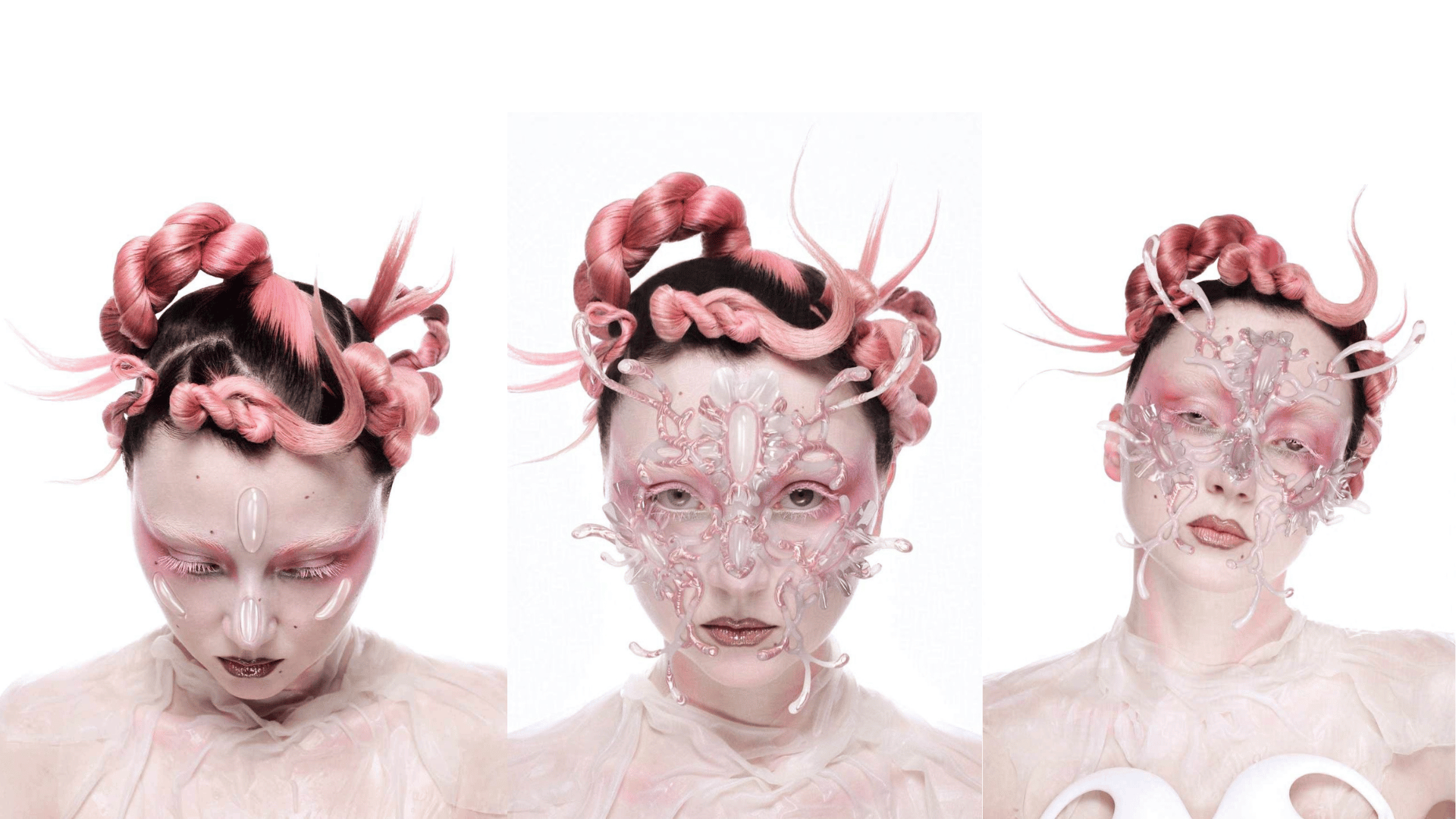
"Somerset House's Virtual Beauty" with "I'd Rather Be a Cyborg" drew huge crowds, sparking discussions on post-human identity.
During another exhibition in Paris called «Human Inside,» my physical facewear collection sold out, which made me beyond happy.
Q: What have you learned working with brands in 3D?
Brands demand polish, but CGI/AR/XR thrives on constraints. I've learned to prototype, build a clear validation process, and communicate tech simply with my clients, but also with the people who would help me with technical development.
Q: What have you taught brands that want to work in 3D?
I've taught that 3D isn't just a “futuristic gimmick,” it's emotional. Users feel transformed, otherworldly. It lets you construct your own reality, so use it to build the impossible!
Digital also inspires physical experiences, especially with AR try-ons, or what I call “digital mirrors.”
And lastly, measure success by joy and quality: the story, message, and uniqueness, not just views.
Q: How has working in 3D changed how you think or work as an artist?
3D made me a “god of my reality.” No gravity limits. Slick, perfect materials. Animate anything. It shifted me from static images to interactive experiences; now every piece invites play.
3D, CGI, and digital work in general can democratize a more diversified and different kind of beauty, letting anyone escape norms playfully.
Q: What does it mean to you to be a spatial creator today?
Being a spatial creator means crafting portals between worlds. I guess? Turning phones into magic mirrors for self-reinvention. With AR glasses rising, it's about empowering everyday escapism: iridescent cyborgs for your face, in a second.
Q: Where do you see yourself and this industry in 10 years?
I don’t know! I don’t like projecting too far ahead. I'm more of a “go with the flow” person, trusting the universe to bring what I need when I need it (basically, I believe in myself to make the right decisions ^^).
Maybe in 2036, I'll be bridging digital-physical with more wearables and 3D-printed masks augmented via AR glasses or contact lenses.
Or maybe I'll disconnect entirely from digital spaces. They have become quite intense, very competitive, unhealthy, and sometimes scary. Plus, I'm not very comfortable ethically or morally with some decisions from big companies running them.
Q: What's your biggest wish for the XR industry and for spatial creators?
For XR to become effortlessly joyful, inclusive, and safe (user-owned data, protected from toxic behavior and mental health risks)! Affordable, artsy-looking AR glasses would be amazing (current designs are so boring).
I hope XR lets spatial artists flood streets with holographic, otherworldly transformations instead of just copying the tangible world.
Q: Do you have any advice for people thinking about becoming a spatial artist today?
Experiment! Download Blender, Lens Studio, follow tutorials, fail often. (That's sometimes quite fun.)
Post everything; there are strong communities that help. Don't chase trends, chase joy instead ^^ Collaborate! Learn from people very different from you.
Think beyond the screen.
Q: Do you have a spicy hot take or opinion you'd like to share?
Beauty's an emotion: weird wins ^^
Source: Ines Alpha with photography by Li Roda-Gil