Honda and DriveOhio Pilot Uses Vehicle Sensors to Automate Road Condition Detection

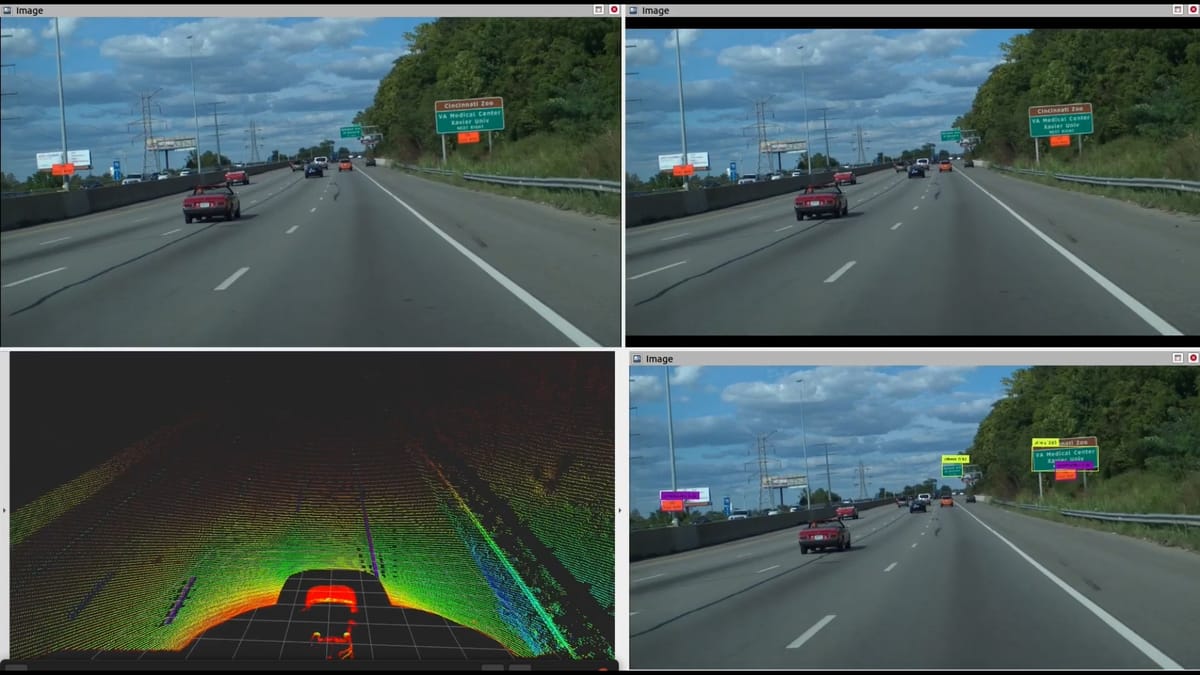
- Honda test vehicles logged 3,000 miles to validate an AI-powered system for detecting potholes, signage issues, and road wear.
- The pilot achieved up to 99% accuracy and is said to potentially save the Ohio DOT more than $4.5 million annually.
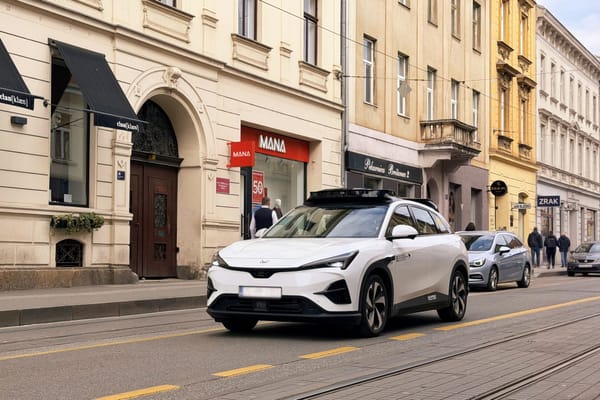
Honda and DriveOhio have completed a two-year pilot of its Proactive Roadway Maintenance System, a prototype developed to identify road conditions and infrastructure deficiencies using vehicle sensor data. The project was conducted in collaboration with i-Probe Inc., Parsons Corporation, and the University of Cincinnati and funded by Ohio Department of Transportation (ODOT). During the trial, Honda test vehicles equipped with vision and LiDAR sensors monitored about 3,000 miles of roadways in central and southeastern Ohio. The system identified road hazards using vision and LiDAR-equipped Honda test vehicles.
Source: Honda
According to Honda, the pilot achieved 99% accuracy in detecting obstructed signs, 93% for damaged guardrails, and an average of 89% for potholes. Real-time data was analyzed through edge AI models and sent to a cloud platform, where it was fed into Parsons’ iNET Asset Guardian system to auto-generate prioritized maintenance work orders. The University of Cincinnati led damage detection feature development and supported sensor integration, while i-Probe provided data validation.
The system reduced reliance on manual inspections, helping limit maintenance crews’ exposure to traffic hazards. The project team estimates it could save the Ohio Department of Transportation more than $4.5 million per year. Honda and its partners are exploring how to scale the system for real-world operations as part of the next testing phase. In the future, Honda says it aims to enable anonymized data contributions from drivers to support roadway maintenance.
🌀 Tom’s Take:
Honda just proved that the same sensors helping vehicles drive can also help fix the roads they drive on. Turning everyday vehicle data into real-time infrastructure intelligence could quietly rewrite how public agencies manage maintenance.
Source: Honda Newsroom