GE HealthCare and Mayo Clinic Launch GEMINI-RT Centered on Patient “Twinning” in Radiation Therapy

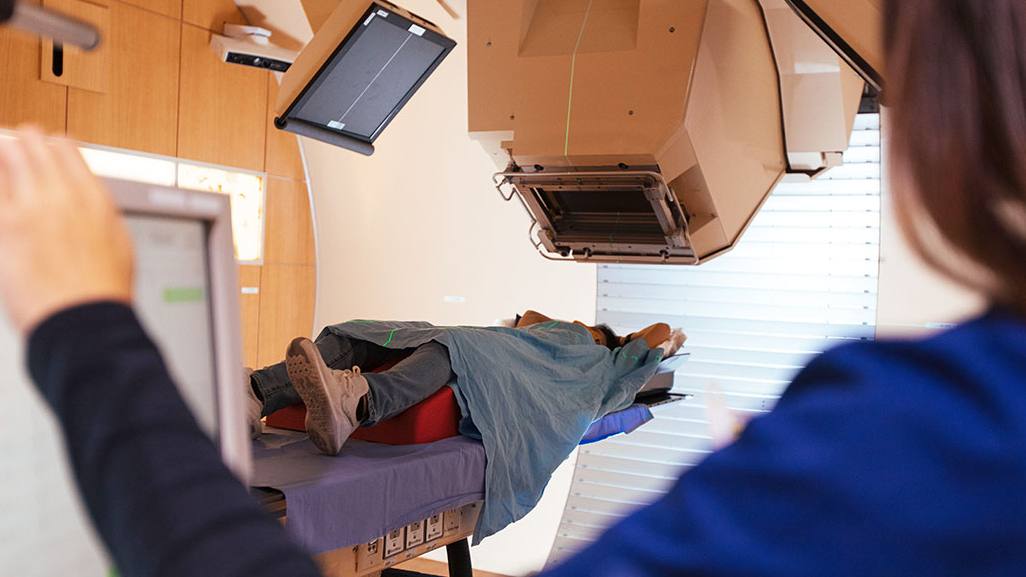
- GEMINI-RT uses imaging, AI, and monitoring to support tailored cancer treatment across planning, delivery, and follow-up.
- The collaboration introduces a strategy described as “twinning the patient, personalizing the beam” to guide precision care.
GE HealthCare and Mayo Clinic have launched GEMINI-RT, a research initiative aimed at redesigning how radiation therapy is planned and delivered. The project brings together clinical expertise and technical systems, including imaging, artificial intelligence, and patient tracking, to study new ways of tailoring care from diagnosis through recovery.
Mayo Clinic describes the method as “twinning the patient, personalizing the beam”, a strategy for modeling treatment based on data collected at each stage, from diagnosis to follow-up. The approach brings together clinical insight and technical tools to inform how treatment is planned, delivered, and refined throughout the care process.
The work will be conducted at Mayo Clinic’s Rochester campus. As part of the collaboration, researchers will develop AI-driven tools to speed up planning tasks and reduce clinical workload. They also plan to study multimodal approaches that combine radiation with treatments like targeted drugs and precision heating. To support care beyond the clinic, the team will use biomarkers, sensors, and AI to detect side effects and monitor recovery.
🌀 Tom’s Take:
Imaging, patient modeling, and sensor-based monitoring all point to the growing role of spatial data in personalizing radiation therapy.
Source: GE HealthCare