Why Smartglasses Need Physical Retail to Succeed

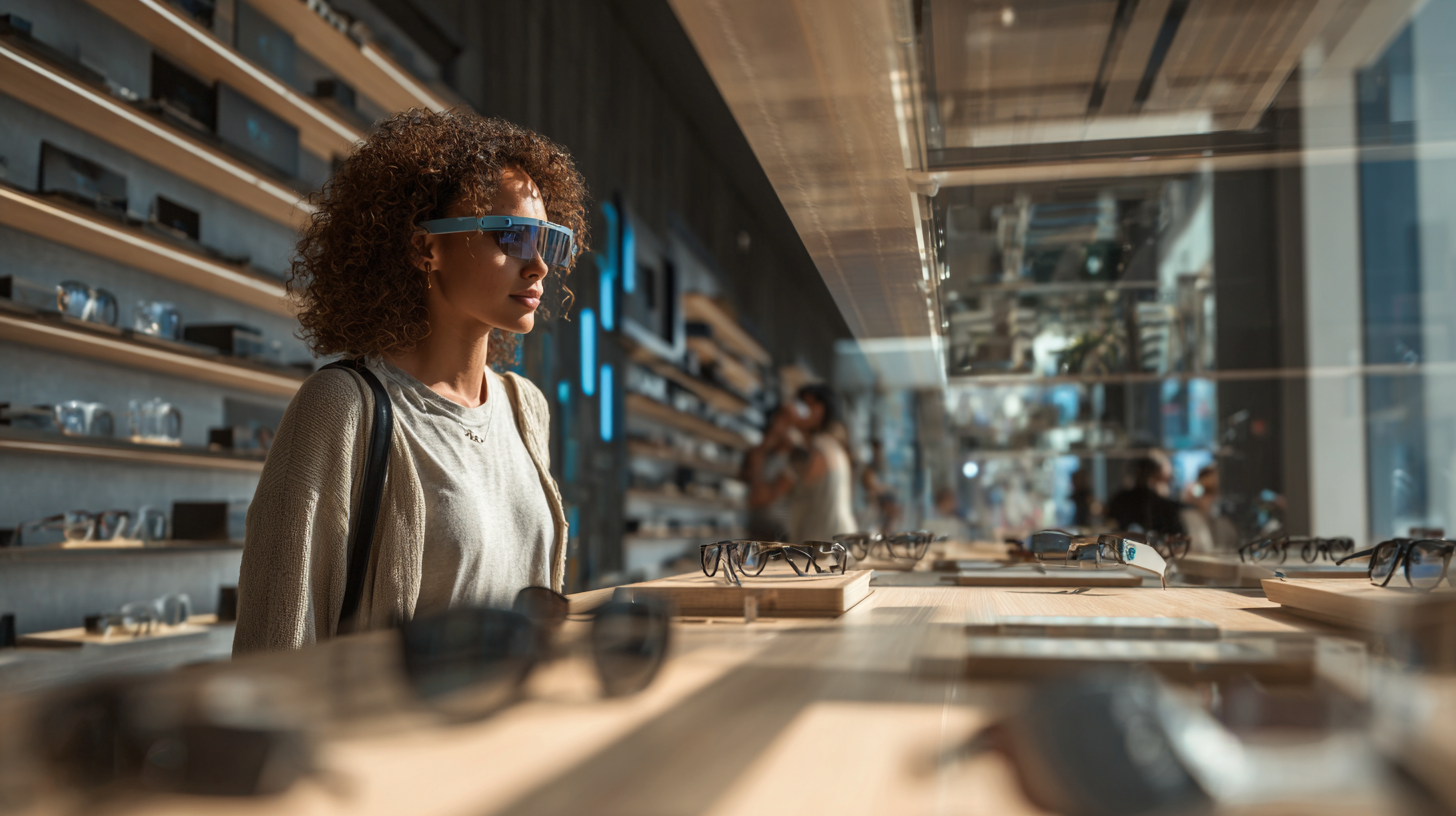
The connected eyewear category is coming together. AI glasses like the Ray-Ban Meta have gone mainstream, and glasses with displays from a variety of companies are soon to have their moment. Smartglasses are expected to eventually replace our smartphones to offer us a heads-up and hands-free way to engage with digital information, as well as to serve as specs through which to view an augmented reality layer of the world around us. Ironically, devices built to deliver virtual experiences still rely on something old-fashioned to succeed: physical retail.
This shouldn't come as much of a surprise. Looking back, most new consumer technology has required the help of brick-and-mortar stores to gain adoption. The Genius Bar in Apple Stores helped customers set up iPods, and Verizon stores walked families through their first smartphones, as just a few examples. With smartglasses, this role will be even more critical, as this wave of technology is something you wear on yourself, not just set up to leave on a desk or hold in your hand.
Meta knows this and is already ramping up its physical retail footprint. The company recently announced a new flagship store in Los Angeles, in addition to its existing Burlingame location, with pop-ups planned for Las Vegas and New York. These stores join a growing retail strategy that also includes partnerships with Sunglass Hut and LensCrafters, which are all taking appointments to let consumers try the newly launched Meta’s Ray-Ban Display glasses.
Meta's new smartglasses are paired with the Meta Neural Band, a brand-new way for people to interact with tech. This requires not only a personal fitting to make sure that you get the right size band for your wrist. It also requires education on what an EMG wristband is, where it should be worn, and what gestures need to be learned in order to use the device. In addition, Meta Lab retail locations will celebrate the culture of the cities they are in, from LA's skateboarding scene to the counterculture of New York City in the 1960s. Leading with culture and leaning into the fashion aspect of wearable technology is a smart move to help increase the appetite for wearing this new technology.
Apple has always understood the power of retail. With well over 500 stores worldwide, its retail network is a huge differentiator in the wearable technology category, and the Vision Pro is no exception. Some Apple Stores are now designed with dedicated living room-like setups where customers can immerse themselves in Vision Pro demos complete with carpets and sofas. This experience is carefully staged for the device, which is designed for mostly stationary content controlled with your eyes and hands laid comfortably on your lap.
Like Meta Ray-Ban Display, the Vision Pro requires you to schedule a demo to try out in the store. Apple is not just selling hardware. It is selling an experience, and a premium one. The price point demands a luxury-level interaction that can only happen in person. Apple Stores, with their trained staff and controlled environments, become an enormous competitive advantage, one that other smartglasses players will need to match.
The importance of physical retail is not new to smartglasses. Google Glass, back in 2013, created dedicated stores called Basecamp in New York, Los Angeles, and San Francisco to showcase its futuristic product. Later, North, a Canadian startup acquired by Google in 2020, opened stylish storefronts in Toronto and Brooklyn, where customers needed to get their Focals smartglasses custom-fitted. Both highlighted the need for a physical channel for both fit and education.
With Google expected to re-enter the smartglasses space, its relationship with Warby Parker may prove pivotal. Warby Parker has over 200 stores in the US and Canada, and, like its online presence, has redefined what modern eyewear retail can be, with boutique stores in high-traffic areas and an emphasis on customer service.
So why, in an age of e-commerce and same-day shipping, does retail matter so much for smartglasses? The reasons are both practical and cultural.
Fit and Comfort
Glasses are extremely personal. When you go to get a pair of prescription glasses, your interpupillary distance (IPD), nose bridge shape, and lens alignment are taken into consideration to ensure they fit well and help you see clearly. AR glasses add new layers of complexity with sensors, displays, and new ways to control the device, such as neural interfaces. To make sure your device works and that you have a great first experience, adjustments, measurements, and often expert guidance are required.
Education and Support
While glasses are not new to people, connected eyewear is. These are not devices people intuitively know how to use. Learning how to interact through gestures, voice, or gaze, or understanding the limits of the display or even the main use cases, requires guided tours, education, and support. While this can be done online via video, retail staff can help ensure that customers have a great first experience with the device, which may encourage them to make a purchase and leave well-equipped to use it properly, reducing the risk of return.
Premium Experience
Smartglasses are expensive. Regular glasses range from $150 to $400, while glasses with tech currently hover around $700+. When consumers are spending hundreds of dollars on tech that they are also expected to wear, there is an expectation that it comes with a level of service. Physical retail provides a high-touch environment that lends itself to a luxury-like experience. Having to schedule an appointment, for example, makes the try-on experience have a level of exclusivity and makes it feel personal. Customers are far more likely to buy a premium product when they feel cared for, respected, and confident in what they are getting.
Building Trust and Momentum
Retail also plays a psychological role. When people see smartglasses in a physical store, it normalizes the device, making it feel less like something from the future and more like something available today. It also signals that these are not devices for early adopters in the industry, but instead are intended for the mainstream as a product ready for everyday use. Stores build trust with consumers by bringing what was once experimental into the world as a real, tangible, ready-to-go product they can touch, feel, and try on at brands they know and love. And as more people try them, visibility creates a network effect, building momentum for adoption across the broader market.
Smartglasses show that the more advanced and virtual a product becomes, the more it relies on physical infrastructure to succeed. We saw this with smartphones, where carriers built thousands of stores to sell, set up, and support devices that could have been shipped directly to your door. The same dynamic is playing out again. Physical retail is not just a sales channel but an essential ingredient to the success of this post-smartphone category. It ensures that the first experience is a great one, that the glasses fit, work, and feel natural, and that this unfamiliar wearable tech begins to feel like it belongs in your everyday life.
Disclosure: Tom Emrich has previously worked with or holds interests in companies mentioned. His commentary is based solely on public information and reflects his personal views.