Accessibility Is What Makes Wearables Matter

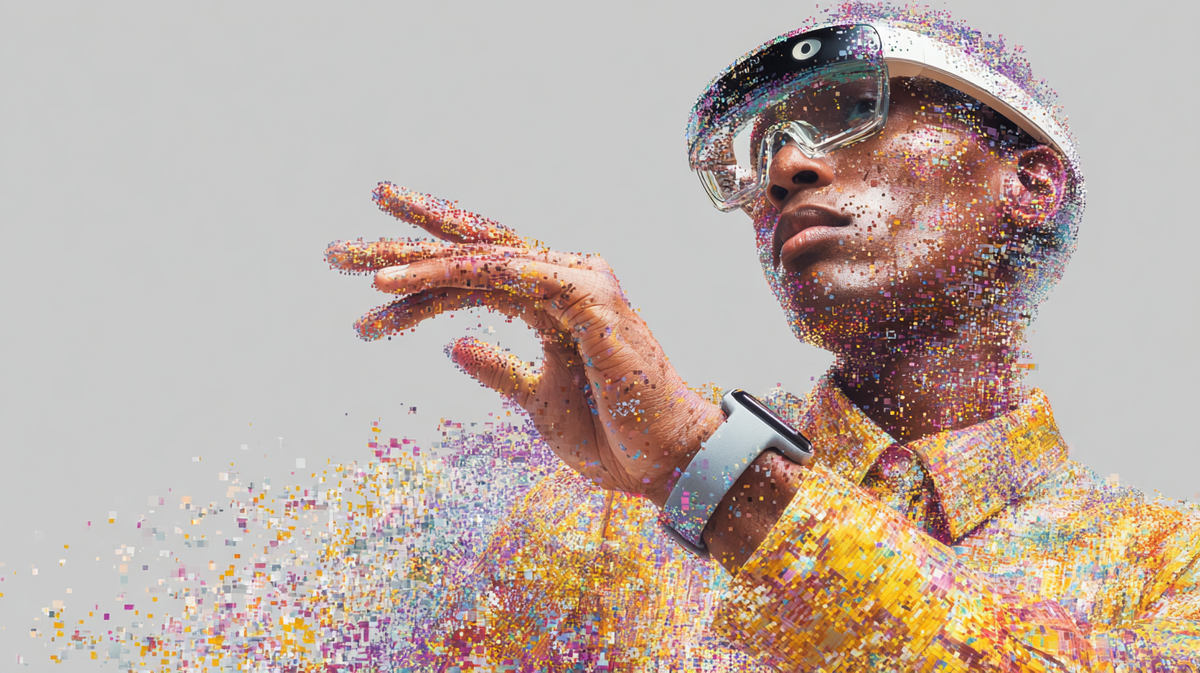
The future of computing is on our bodies. Wearable technology augments human capability, pairing computing with our senses and movements to help us do things we otherwise couldn’t. The category has grown from smartwatches to smartglasses, but while much of the conversation focuses on fashion, tech specs, and our eventual post-smartphone reality, the real breakthrough in wearables is accessibility.
Meta’s Connect event was full of hardware updates to its Ray-Ban line, including a new generation that has better cameras and a longer battery, but the feature that really matters is Conversation Focus. A new capability for all Ray-Ban wearers, Conversation Focus uses the glasses’ open-ear speakers to amplify the voice of the person in front of you while dialing down the distractions around you. This is one of those use cases that resonates with everyone. For anyone in a noisy environment, this is convenient. For people who are hard of hearing, it’s transformative.
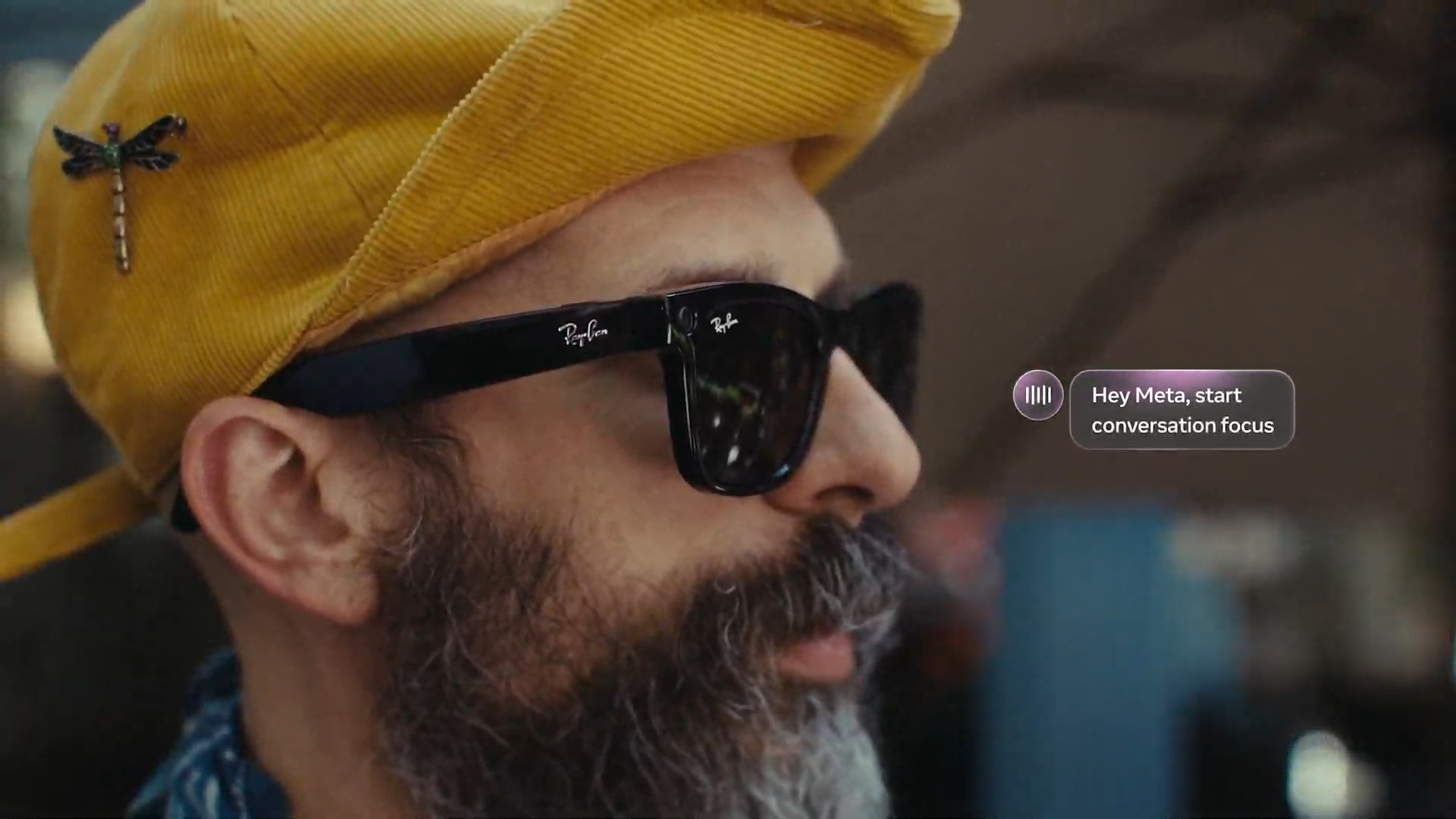
Meta also previewed its Ray-Ban Meta Display, its first AI glasses with a monocular screen. One of the key use cases it demonstrated was real-time subtitles over the world. Subtitles have become a default for many while engaging with media. In fact, a recent survey of U.S. adults by CivicScience found 36% “always” or “usually” use subtitles or captions even when the video is in their native language, while among under-35s, that rate jumps to 56%. Bringing this to the outside world makes conversations inclusive and breaks down communication barriers.
Meta used Connect to spotlight its partnership with Be My Eyes, a platform that connects people who are blind or have low vision to a network of sighted volunteers. Through this collaboration, the Be My Eyes app is granted access to the glasses' camera and microphone, a feature that has influenced Meta's new wearables SDK. Users can stream their point of view to a sighted volunteer, who then provides live audio assistance through the glasses’ open-ear speakers.
Source: YouTube / Ray-Ban Meta
Meta is not alone in featuring accessiblity as a key feature of wearable tech. Apple is marketing its AirPods Pro as a next generation hearing aid. According to the company, the earbuds now offers the world’s first end-to-end hearing health experience, including an at-home Hearing Test, FDA-authorized hearing aid features, and real-time hearing protection. With additional features, like Conversation Boost, Live Listen, and Adaptive Audio, Airpods also enhances communication in noisy environments. As AirPods are already mainstream, millions gain access to hearing support without stigma making it one of the most important accessibility devices on the market.

The Apple Watch has also become an important accessibility and health device. VoiceOver gives blind and low-vision users spoken feedback to navigate the watch without needing to see the screen, while AssistiveTouch allows people with limited mobility to control the device through simple hand gestures. At the same time, tools like fall detection and heart monitoring are giving seniors and people with medical conditions greater confidence and independence in daily life. The Apple Watch may track workouts and tell time, but its real impact is in keeping people safe, connected, and independent.
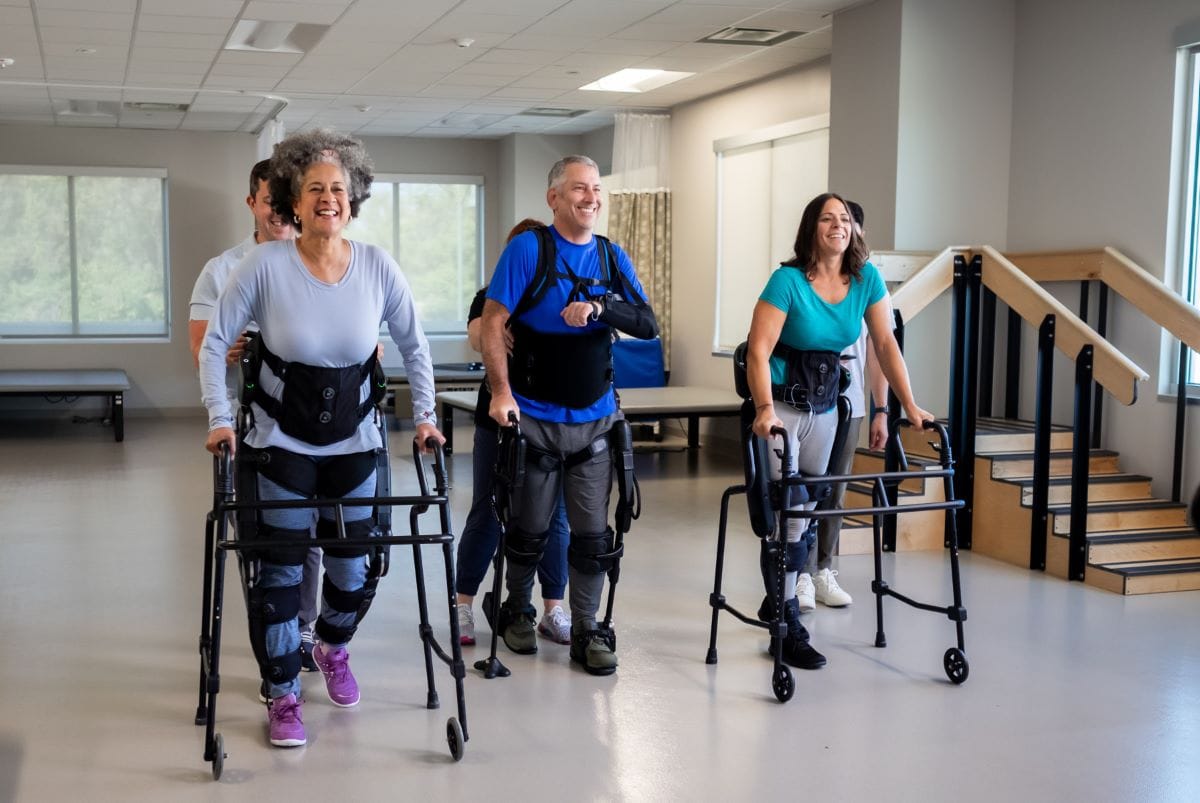
Wearable tech goes far beyond glasses, watches, and earbuds. Exoskeletons are helping people with spinal cord injuries walk again and giving stroke survivors a path to mobility. Companies like Ekso Bionics and SuitX are also showing how these same technologies can be applied in the workplace, supporting warehouse staff, nurses, and factory workers by reducing strain and preventing injury.
Every major shift in computing has had its killer app. For PCs, it was productivity. For smartphones, it was connectivity. For wearables, it’s accessibility.
Accessibility defines the true value of wearables. These devices don’t just make life easier and more convenient. For many, they expand independence and confidence in daily life. As wearables become even more powerful and integrated into our daily lives, they will transform our world into one that is more accessible for everyone. Accessibility is not just the killer app of wearables. It’s the reason wearables truly matter.
Disclosure: Tom Emrich has previously worked with or holds interests in companies mentioned. His commentary is based solely on public information and reflects his personal views.