Ouster Acquires StereoLabs to Add Vision to Its Lidar Business

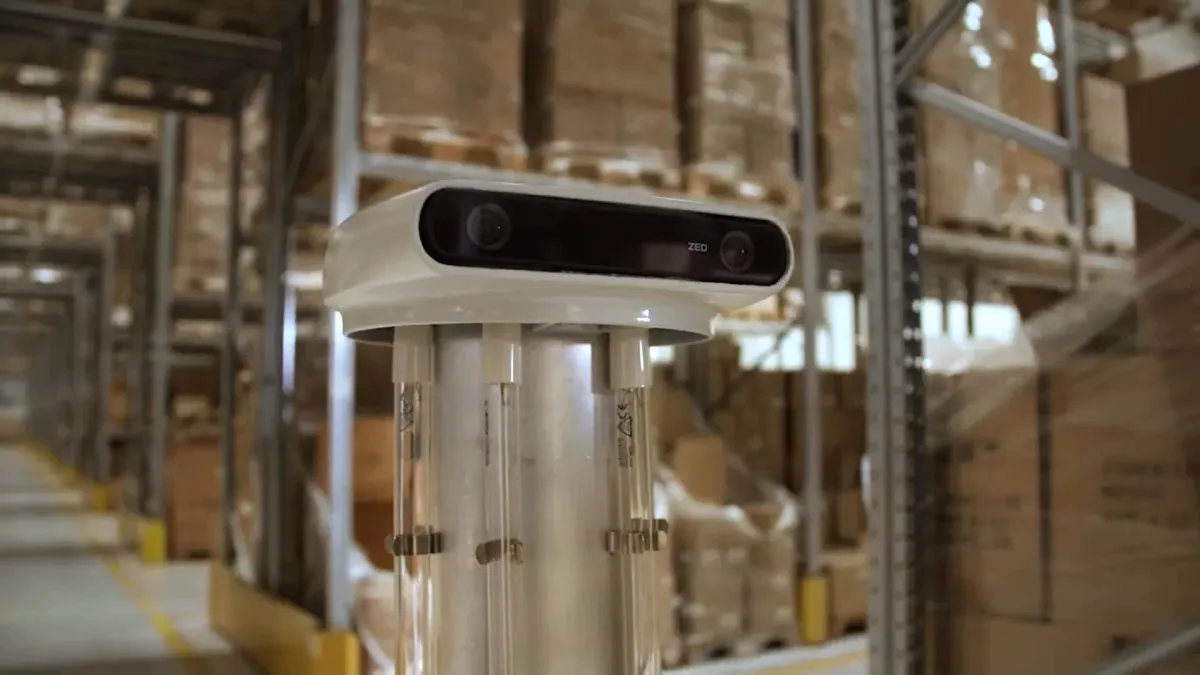
- Ouster completed the acquisition of StereoLabs on February 4, 2026, bringing stereo camera hardware and perception software into its product portfolio.
- StereoLabs, founded in 2010, is known for its ZED stereo cameras and perception tools used by thousands of developers and customers.
Ouster said it has completed its acquisition of StereoLabs. Ouster sells digital lidar products. StereoLabs develops stereo cameras and 3D perception software and has been operating since 2010. Ouster CEO Angus Pacala said the acquisition positions the company “as the foundational end-to-end sensing and perception platform for Physical AI.”
Source: YouTube / Ouster
The acquisition brings StereoLabs’ vision technology together with Ouster’s lidar business. Ouster said the combined platform includes lidar, stereo cameras, AI compute, sensor fusion, and perception software. Touted as “Physical AI’s first unified sensing and perception platform,” Ouster said the system is designed to deliver synchronized and calibrated data across sensors and is intended for use in robotics, industrial environments, and smart infrastructure.
“The future of autonomy isn't about choosing between vision or lidar, it's about unifying them,” said StereoLabs CEO Cecile Schmollgruber, in an official news release. “By combining StereoLabs' AI vision with Ouster’s digital lidar, we are creating the world's most capable perception platform to directly address customers’ primary sensor fusion requirements and enable machines to sense, think, act, and learn in the physical world."
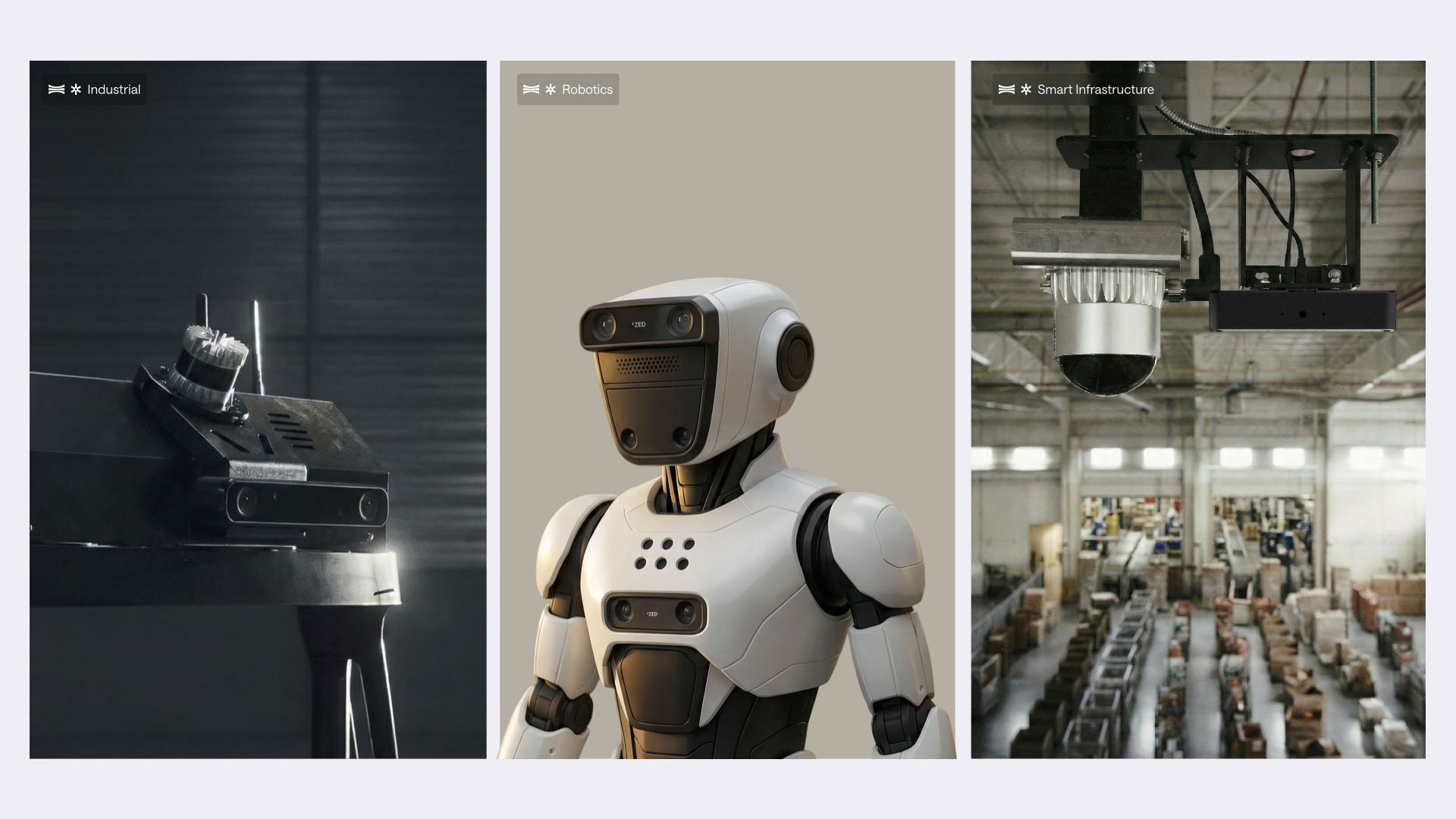
StereoLabs is best known for its ZED stereo cameras. The company is reported to have shipped more than 90,000 cameras and serves over 10,000 customers, supported by a large developer community. StereoLabs reported revenue of about $16 million in 2025. StereoLabs reported revenue of about $16 million in 2025, with its results set to be included in Ouster’s financials beginning in the first quarter of fiscal 2026.
🌀 Tom’s Take:
Bringing vision and lidar together matters because real-world systems increasingly rely on both to perceive depth, movement, and context. Combining mature camera hardware, perception software, and lidar under one platform reflects how sensing stacks are actually being built and deployed today.
Source: Ouster, Inc.