NASA Funds HEBI Robotics to Develop Space Actuators

- NASA awarded HEBI Robotics a two-year, $850,000 Small Business Innovation Research Phase II contract to develop modular actuators for use in orbit.
- The project will develop actuators and control electronics designed to operate in the radiation and vacuum conditions of space.
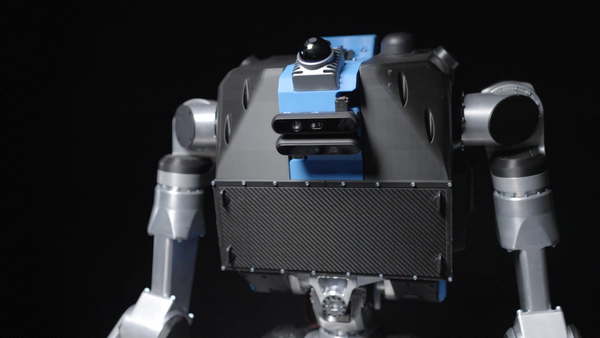
NASA awarded HEBI Robotics an $850,000 Small Business Innovation Research (SBIR) Phase II contract to continue developing modular robotic actuation hardware for space. The two-year project will develop and test robotic actuators and control electronics designed to work in low-Earth and geosynchronous orbit. The funding builds on earlier NASA research on actuator technology for space environments.
The project centers on actuators and control electronics built to operate in space, where radiation and vacuum conditions can disrupt traditional mechanical systems. The system includes avionics designed to work with the HEBI Robotics platform and other third-party technologies. These actuators could power robotic arms used to handle equipment, deploy systems such as solar panels, and support servicing, assembly, and maintenance in orbit. The work also advances NASA’s ARMADAS technology, which explores materials that assemble into large structures like habitats and antenna arrays. Similar radiation-hardened actuators could also support inspection and maintenance at nuclear facilities on Earth.
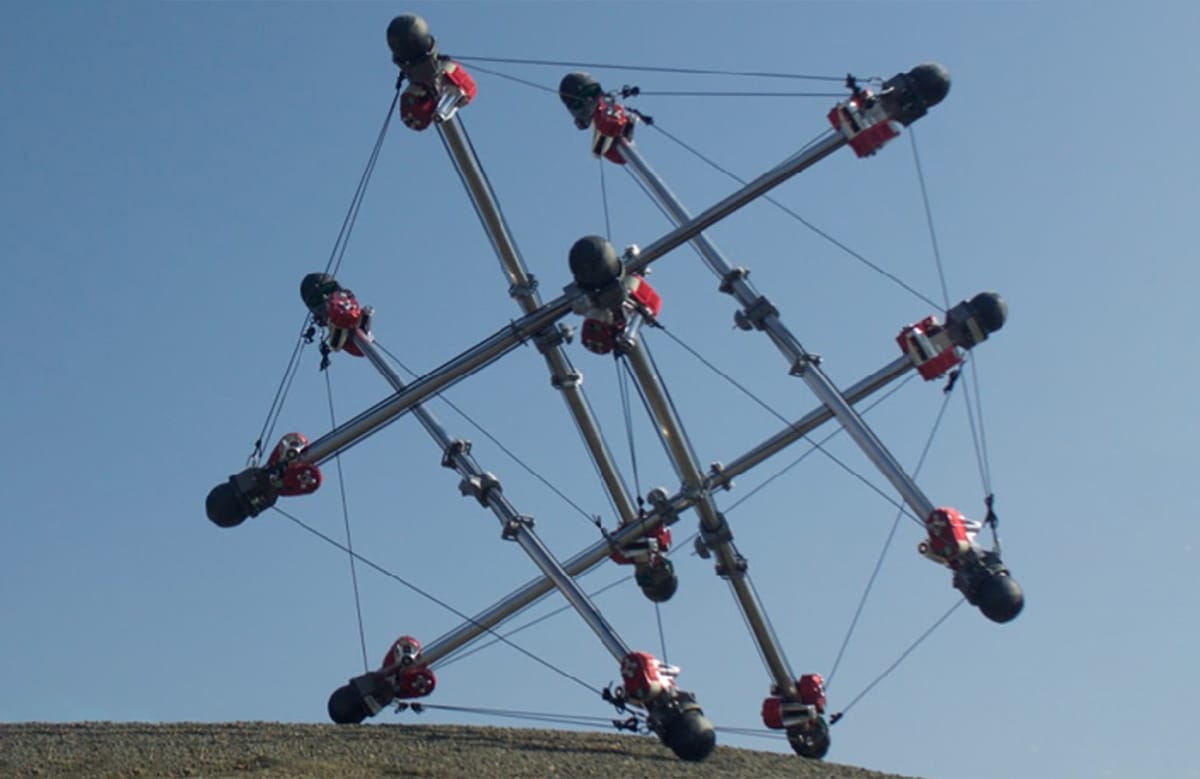
HEBI Robotics previously worked with NASA on actuator technology through a Phase I SBIR project focused on early research and testing for space applications. The company has also participated in NASA-related robotics efforts, including systems built with its actuators, such as the Superball mobile robot.
🌀 Tom’s Take:
Reliable motion hardware is a bottleneck for robotics in space. If actuators can survive radiation and vacuum while remaining modular and easy to integrate, it lowers the barrier for building robotic systems that can assemble structures, repair satellites, and support future infrastructure in orbit.
Source: HEBI Robotics