Harbinger Acquires Phantom AI and Secures ADAS Licensing Deal With ZF

- Harbinger has acquired autonomous driving company Phantom AI and finalized a licensing agreement with ZF’s passenger car ADAS division.
- The deal adds Phantom AI’s computer vision to Harbinger’s electric trucks and creates a new software licensing revenue stream through ZF.
Harbinger announced it has acquired Phantom AI and entered into a licensing agreement with ZF’s passenger car Advanced Driver Assistance Systems division. ZF will license Phantom AI’s computer vision software for its passenger car ADAS products, while Harbinger will integrate the technology into its own medium-duty electric and hybrid vehicles beginning in 2026. The companies said the combination of the acquisition and licensing arrangement establishes a new software services revenue stream for Harbinger and expands its reach beyond commercial vehicles.
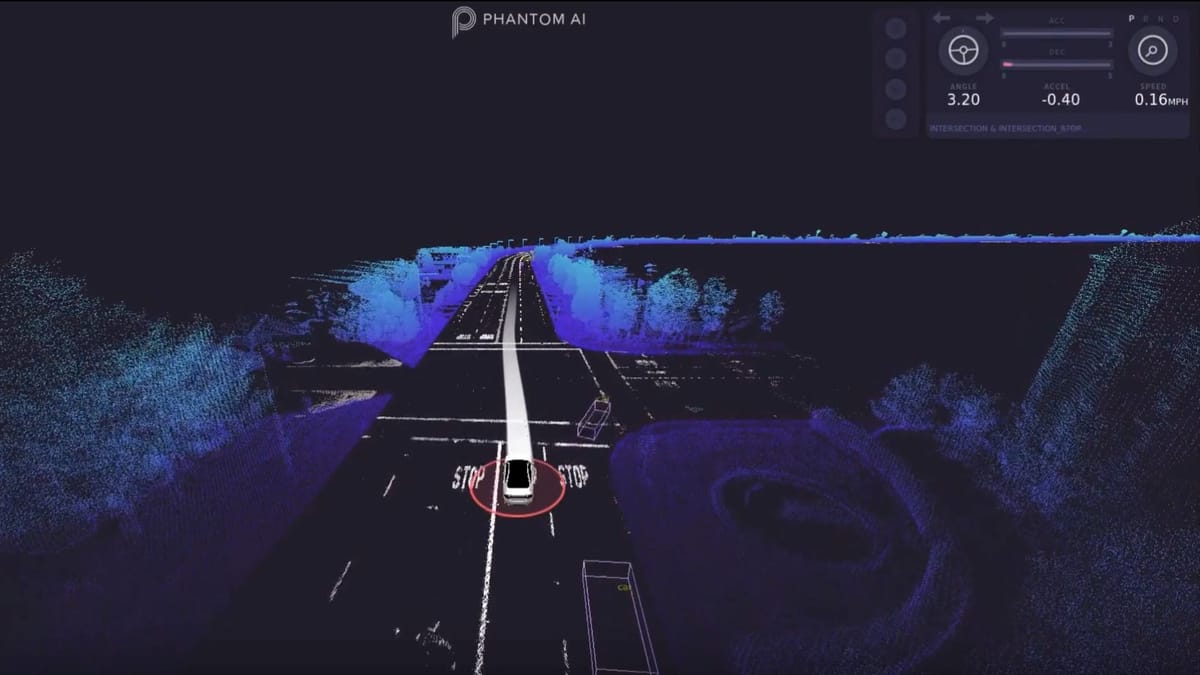
Phantom AI was founded by former Tesla ADAS engineer Hyunggi Cho and former Hyundai driver-assistance and autonomous-driving engineer Chan Kyu Lee. The company has built cost-effective Level 2 autonomous solutions aimed at reducing the burden of everyday driving, starting with technologies such as automatic emergency braking and emergency lane support. Its platform combines computer vision, sensor fusion, and control capabilities within a modular, software-based vehicle stack that OEMs and Tier 1 suppliers can configure by selecting the components they choose to integrate.
Harbinger said it will incorporate Phantom AI’s computer vision into its medium-duty electric and hybrid vehicles, adding capabilities such as emergency braking, adaptive cruise control, and lane keeping. The company noted that medium-duty fleets have historically lacked advanced safety systems commonly found in passenger vehicles. With the acquisition completed in November 2025, Phantom AI’s 30-person team will continue operating in Mountain View, California, as Harbinger expands its software and vehicle offerings.
🌀 Tom’s Take:
Harbinger is moving up the stack. This move is not just about building electric trucks, but owning the driver-assistance layer inside them. And by supplying that same software into the passenger car market through ZF, it shifts its business from just a vehicle maker to a software player.
Source: PR Newswire / Harbinger